Tako
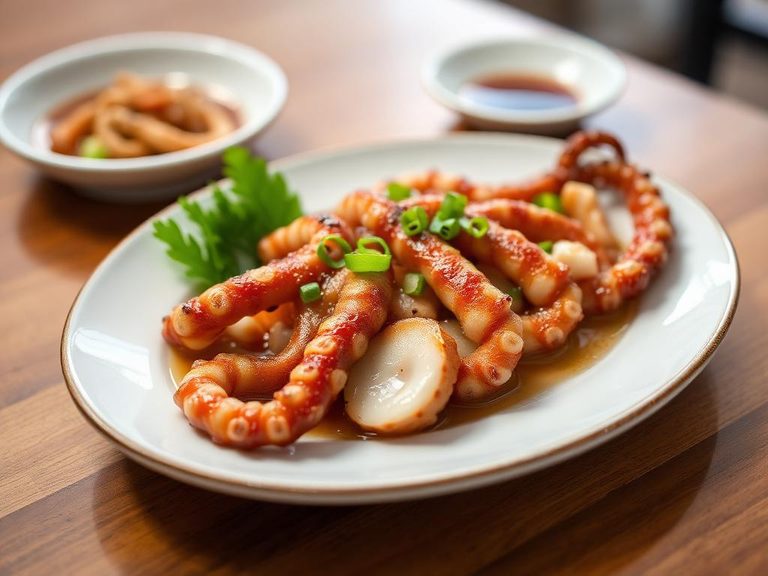
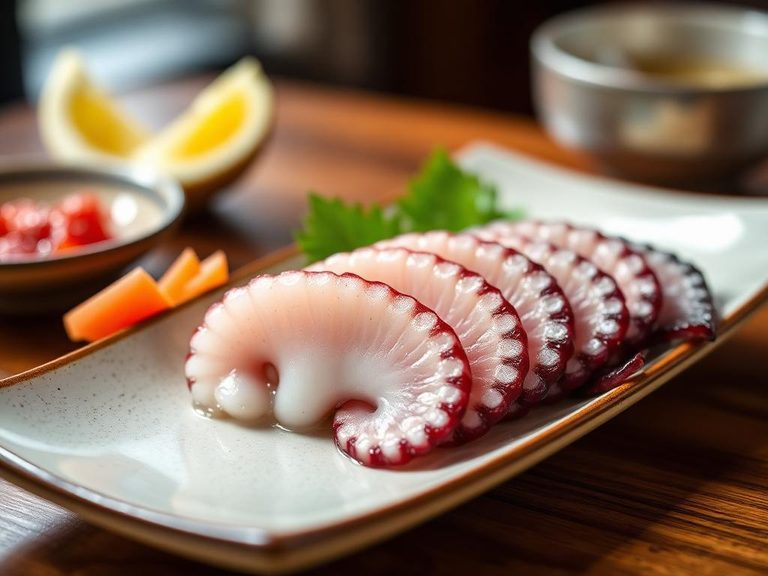
Tako is a Japanese dish featuring octopus, which can be prepared by grilling (yaki-tako) or simmering (tako-ni), often seasoned with soy sauce, mirin, and dashi. It's a popular item in izakayas, street food stalls, and home cooking across Japan, showcasing the ingredient's tender texture and savory flavor.
🍽️ Nutrition at a glance
Tako is high in protein and low in fat and carbohydrates, making it a lean source of nutrients like vitamin B12, iron, and selenium. A typical serving of around 100 grams provides roughly 80-100 calories, depending on the cooking method and seasonings used.
Nutrition breakdown
| Calories | 135 kcal |
| Protein | 25.5 g |
| Carbs | 4 g |
| Fat | 1.5 g |
| Fiber | 0.5 g |
| Sugar | 0 g |
| Sodium | 230 mg |
| Potassium | 350 mg |
| Phosphorus | 200 mg |
| Selenium | 45 µg |
| Vitamin B12 | 20 µg |
| Iron | 5.4 mg |
| Zinc | 2.5 mg |
| Copper | 1.2 mg |
| Vitamin B6 | 0.5 mg |
Per 100 g (cooked, grilled or simmered) · estimated, varies by recipe
💡 What's interesting
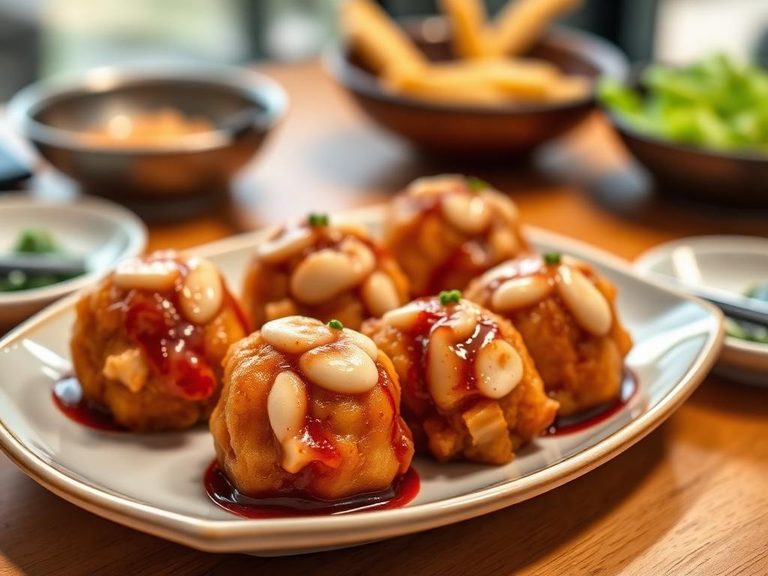
Culturally, octopus holds significance in Japanese cuisine and folklore, often symbolizing perseverance due to its tentacles, and it's a key ingredient in dishes like takoyaki (octopus balls). Nutritionally, it's unique for being rich in taurine, an amino acid that supports heart health and is less common in other seafood.