

Snack on their own
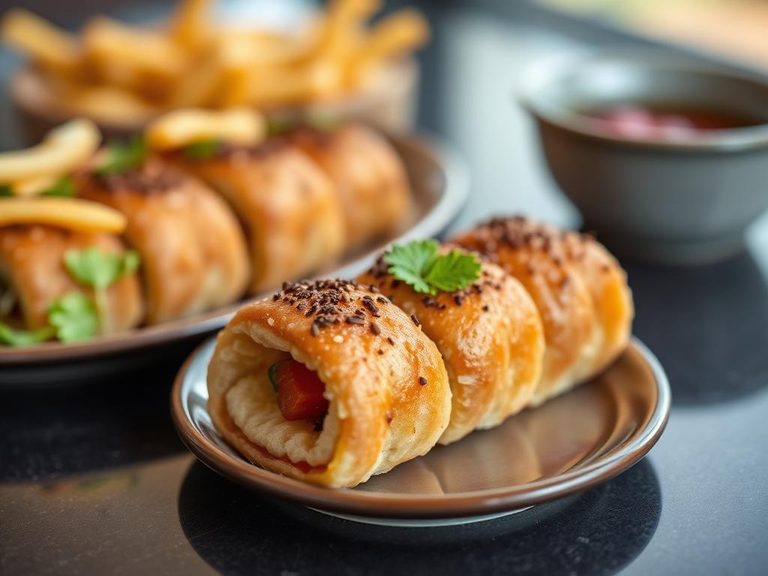
Snack on their own is a playful, generic term for a wide variety of bite-sized, ready-to-eat foods designed for casual eating between meals. These can range from nuts, seeds, and dried fruits to chips, crackers, and vegetable sticks, and are found in virtually every cuisine worldwide.
🍽️ Nutrition at a glance
The nutritional profile varies dramatically by type: nuts and seeds are high in healthy fats and protein, while chips and crackers are typically high in carbohydrates and fats. A typical serving (about a handful or 1 ounce) can range from 100 to 200 calories.
Nutrition breakdown
| Calories | 200 kcal |
| Protein | 5 g |
| Carbs | 25 g |
| Fat | 10 g |
| Fiber | 3 g |
| Sugar | 5 g |
| Sodium | 300 mg |
| Potassium | 250 mg |
| Magnesium | 40 mg |
| Phosphorus | 120 mg |
| Iron | 2 mg |
| Zinc | 1.5 mg |
| Vitamin B6 | 0.2 mg |
| Folate | 30 mcg |
| Vitamin E | 1 mg |
Per 1 cup (140 g) · estimated, varies by recipe
💡 What's interesting
Culturally, the concept of 'snacking' reflects modern eating habits and the global snack food industry, which is a multi-billion dollar market. Nutritionally, choosing whole-food snacks like nuts or fruit over processed options can provide sustained energy and essential nutrients.
AI estimate may be inaccurate · Terms