Pork Brain Soup
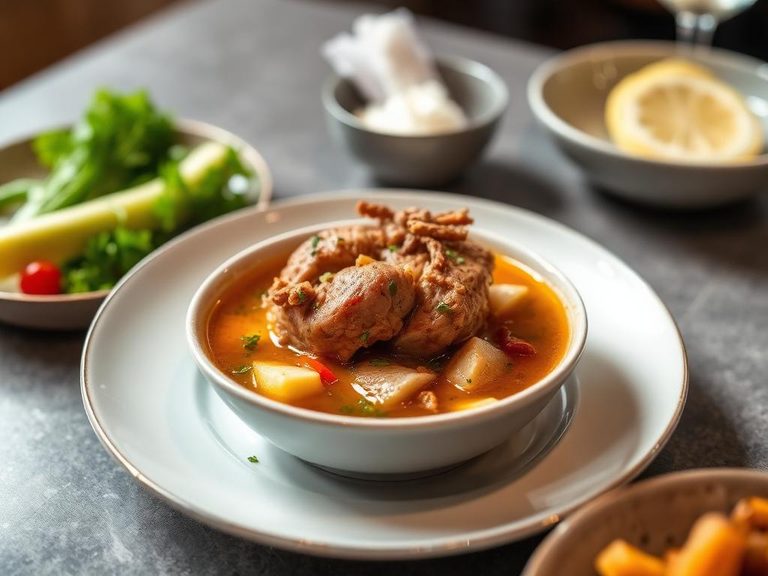
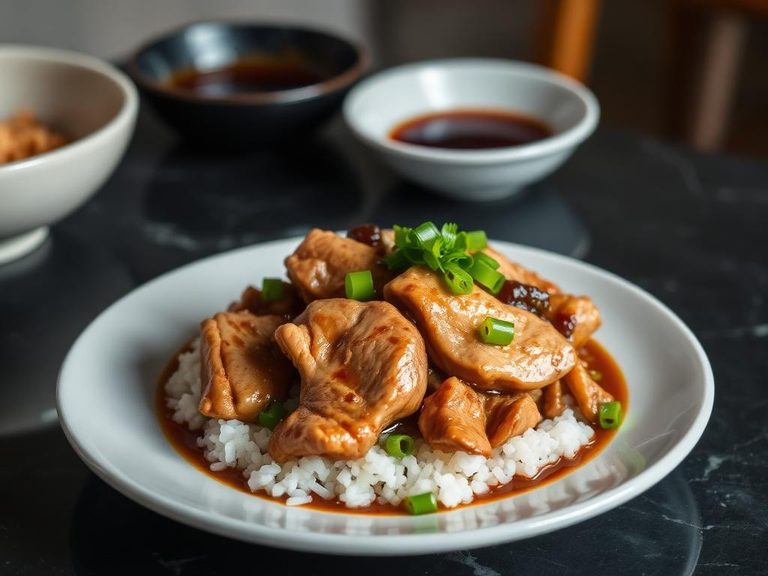
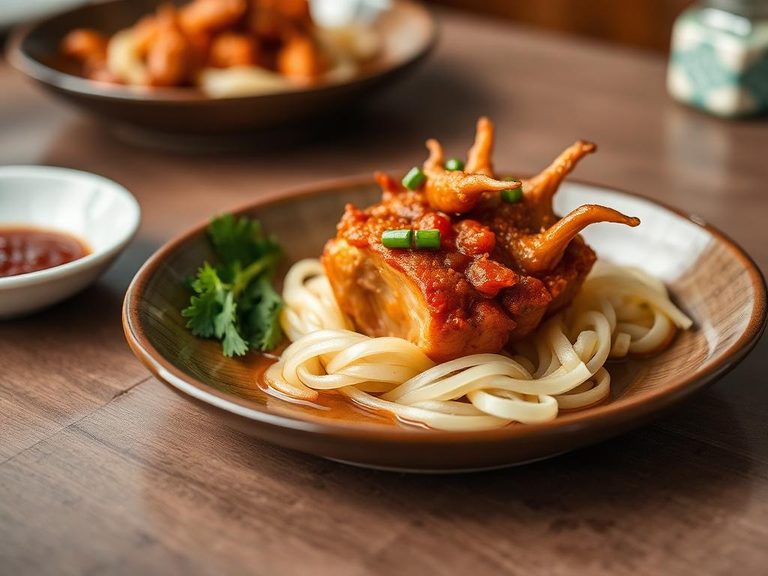
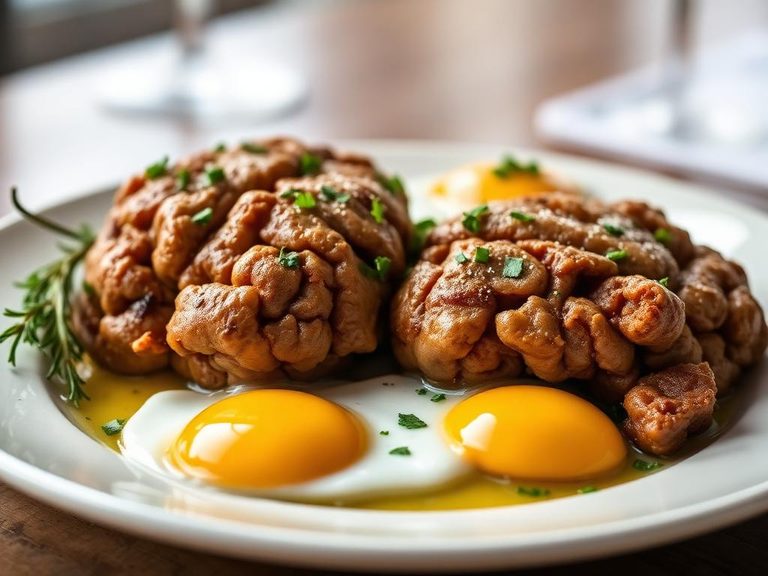
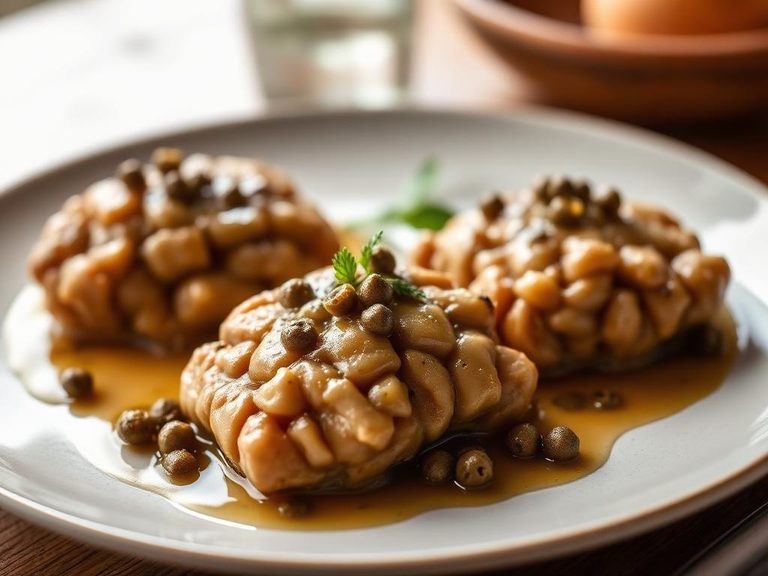
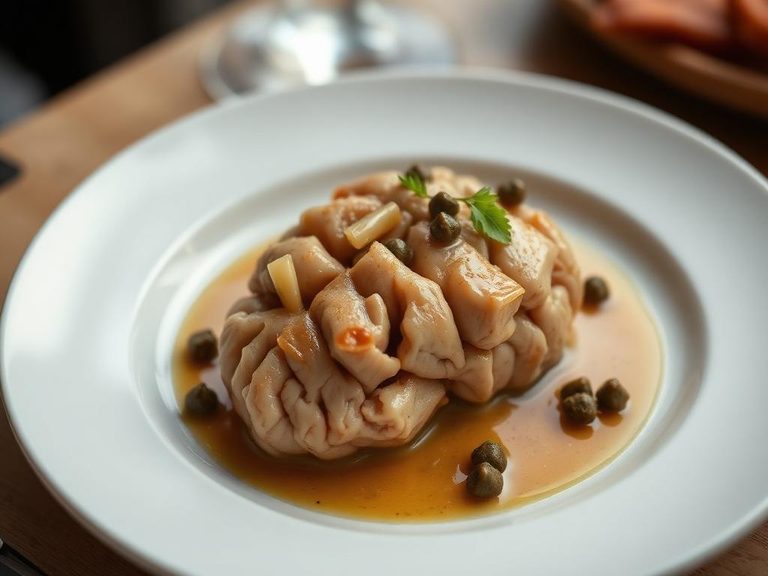
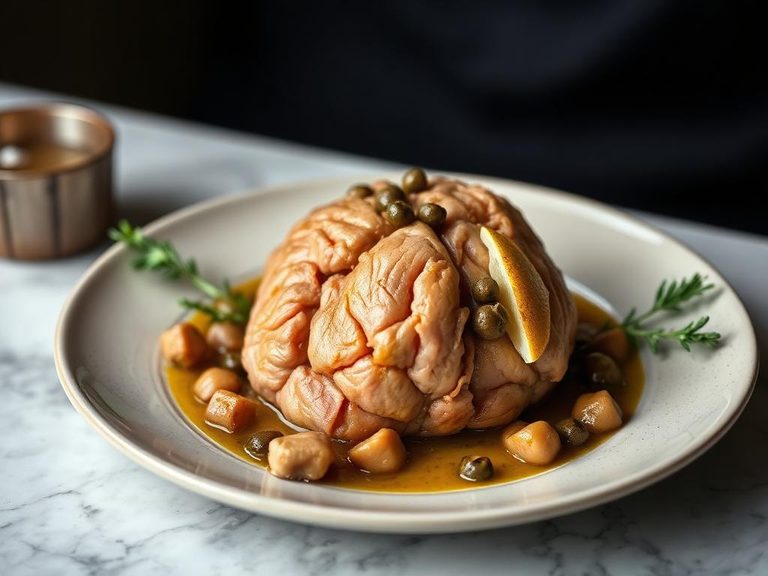
Pork Brain Soup is a traditional dish made from simmered pork brains, often prepared with ginger, scallions, and sometimes a light broth or congee base. It is a delicacy found in various cuisines, particularly in parts of China, Southeast Asia, and some Western culinary traditions. The soup is known for its soft, creamy texture and is often served as a nourishing meal or tonic.
🍽️ Nutrition at a glance
This dish is high in protein and fat, with negligible carbohydrates, making it a rich source of nutrients like vitamin B12, iron, and omega-3 fatty acids. A typical serving contains around 200-300 calories, depending on the broth and added ingredients.
Nutrition breakdown
| Calories | 250 kcal |
| Protein | 15 g |
| Carbs | 2 g |
| Fat | 20 g |
| Fiber | 0 g |
| Sugar | 0 g |
| Sodium | 400 mg |
| Vitamin B12 | 15 mcg |
| Iron | 4 mg |
| Phosphorus | 350 mg |
| Selenium | 30 mcg |
| Choline | 250 mg |
| Omega-3 Fatty Acids | 500 mg |
| Cholesterol | 2000 mg |
| Zinc | 2 mg |
Per 1 cup (240 g) · estimated, varies by recipe
💡 What's interesting
Culturally, pork brain soup is often valued in traditional medicine for its purported benefits to brain health and vitality, though scientific evidence is limited. Nutritionally, it stands out for its exceptionally high cholesterol content, which is a consideration for dietary management.