Opossum and Dumplings
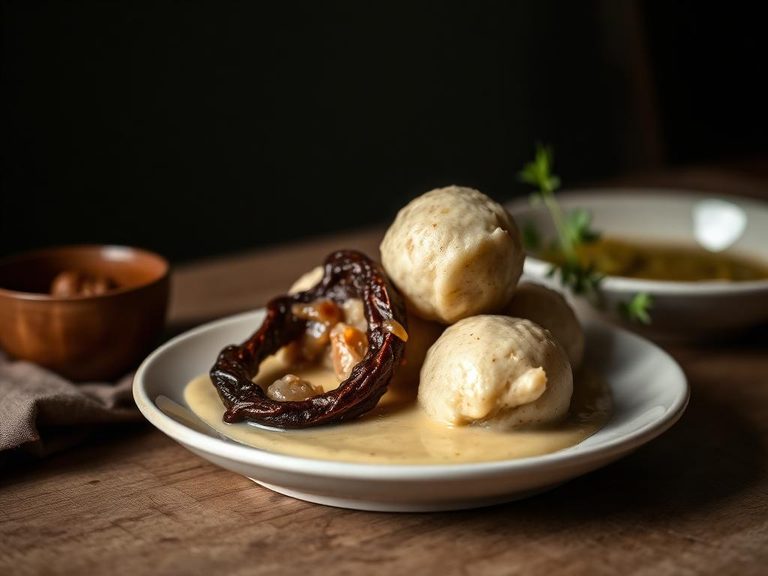
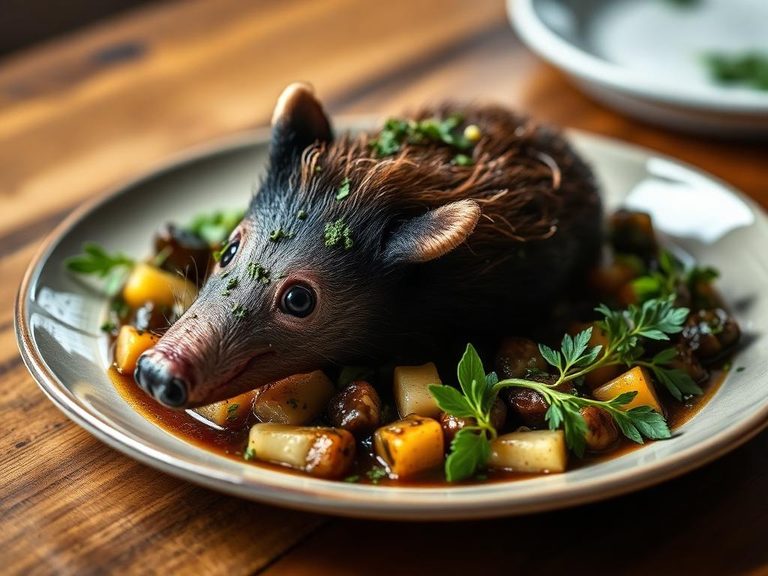
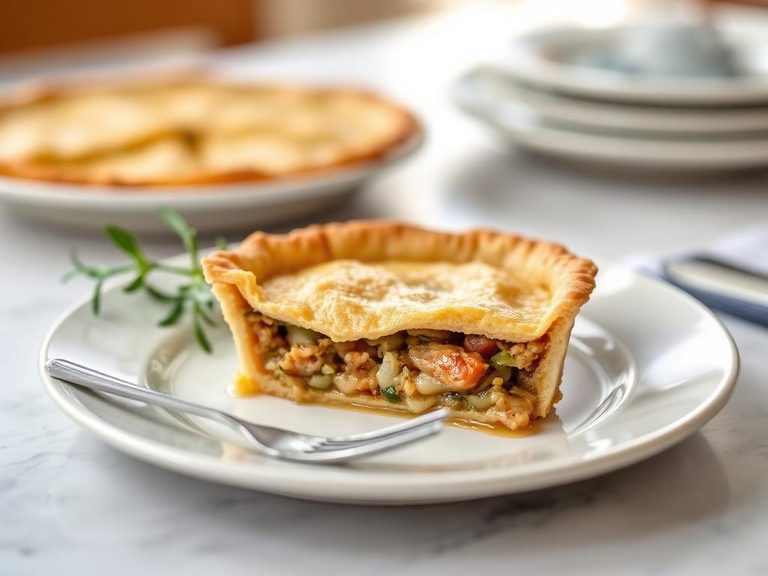
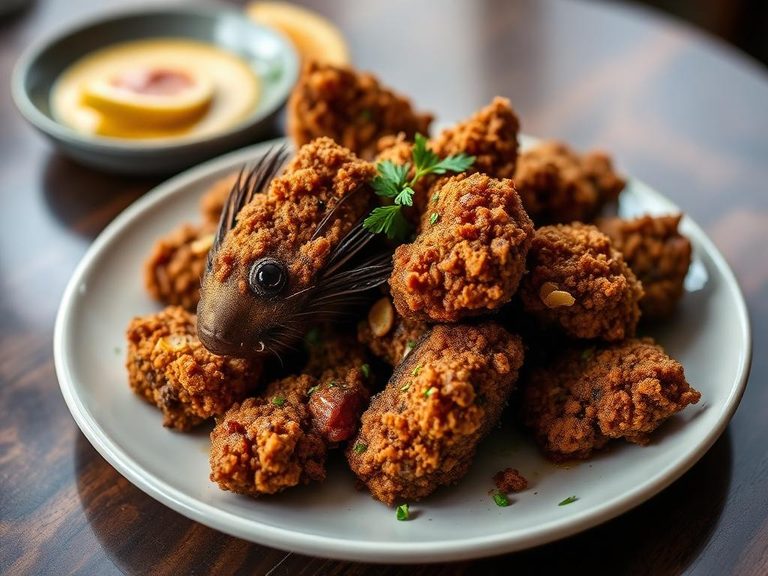
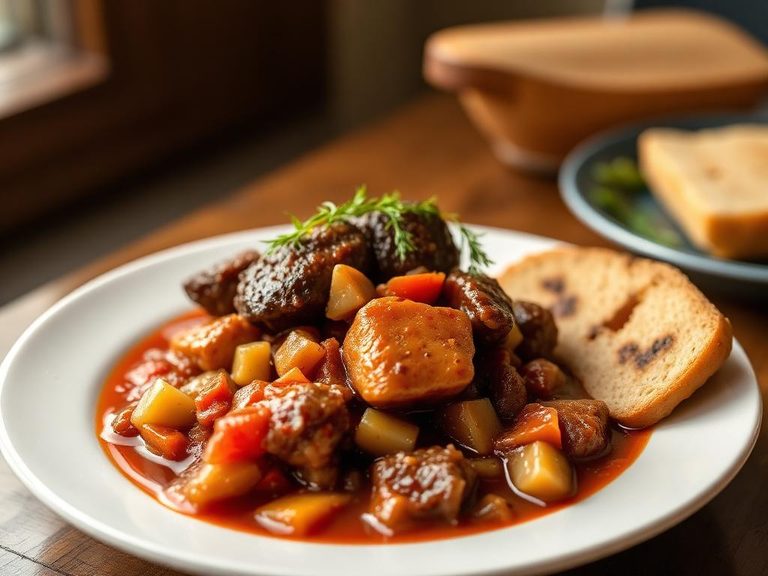
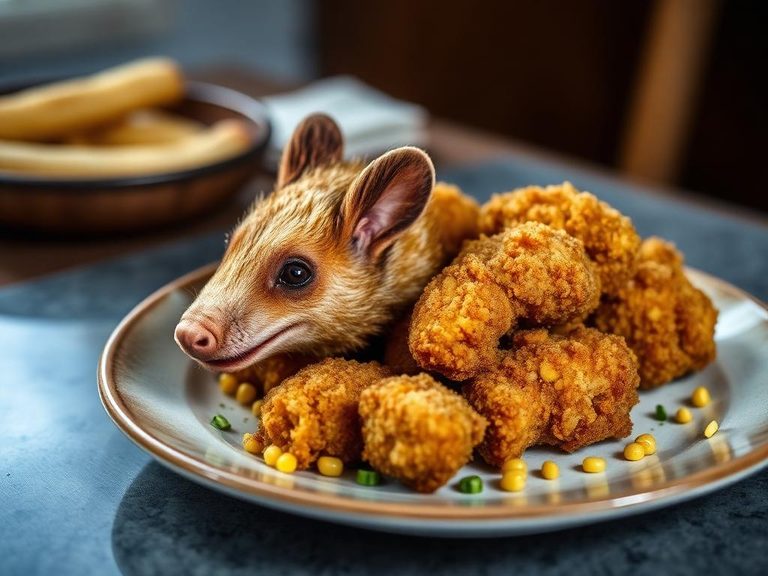
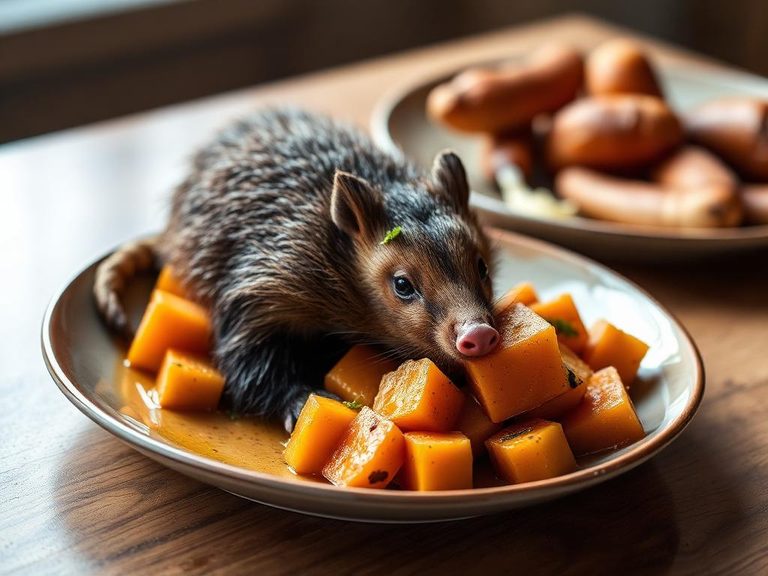
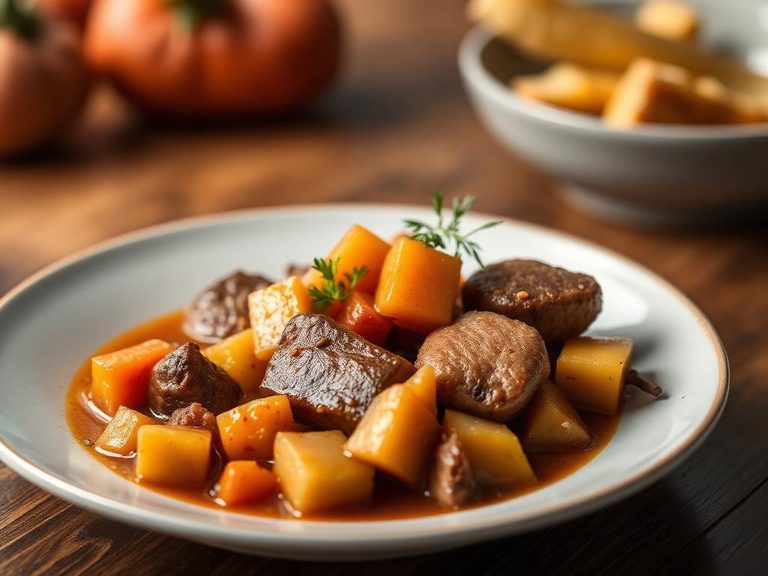
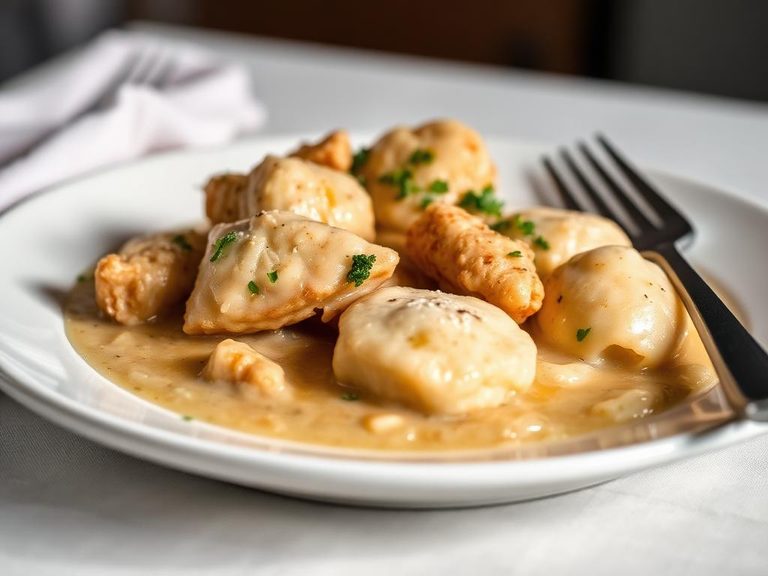
Opossum and Dumplings is a traditional Southern American dish, particularly associated with Appalachian and rural Southern cuisine. It features slow-cooked opossum meat, often stuffed with savory fillings like wild herbs and served alongside hearty dumplings, creating a rich, stew-like meal. This dish reflects a historical reliance on foraged and locally available game in the region.
🍽️ Nutrition at a glance
The dish is high in protein from the opossum meat and carbohydrates from the dumplings, with a moderate amount of fat depending on preparation. It provides essential nutrients like iron, B vitamins, and potassium, with a rough calorie estimate of 400-500 calories per serving.
Nutrition breakdown
| Calories | 450 kcal |
| Protein | 35 g |
| Carbs | 30 g |
| Fat | 20 g |
| Fiber | 3 g |
| Sugar | 2 g |
| Sodium | 600 mg |
| Iron | 4.5 mg |
| Potassium | 400 mg |
| Vitamin B12 | 2.0 mcg |
| Niacin (B3) | 8.0 mg |
| Phosphorus | 300 mg |
| Zinc | 5.0 mg |
| Selenium | 25 mcg |
| Vitamin B6 | 0.6 mg |
Per 1 cup (240 g) · estimated, varies by recipe
💡 What's interesting
Culturally, this dish is a fascinating example of historical self-sufficiency and resourcefulness in American frontier cooking, using an animal often considered a pest today. Nutritionally, opossum meat is lean and nutrient-dense, offering a sustainable protein source that contrasts with modern industrial meats.