

Merienda
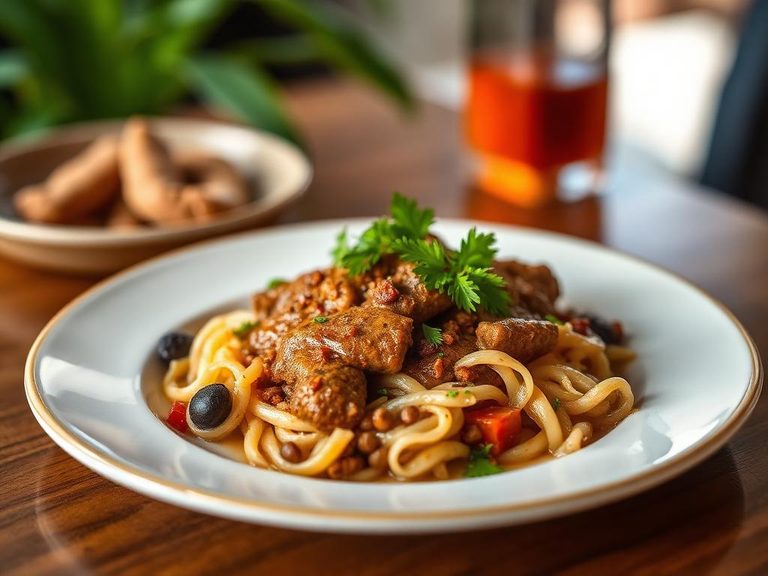
Merienda is not a single dish but a beloved cultural tradition of a light meal or snack, typically enjoyed in the late afternoon or early evening. It is a widespread practice in Spain, the Philippines, and many Latin American countries, serving as a bridge between lunch and a late dinner. The food served can range from simple coffee and pastries to more substantial savory items like empanadas or sandwiches.
🍽️ Nutrition at a glance
The nutritional profile of a merienda varies widely, but it often provides a moderate boost of energy from carbohydrates, especially if it includes bread, pastries, or fruit. It can be a good source of quick energy and, depending on the items chosen, may also offer some protein and healthy fats.
Nutrition breakdown
| Calories | 300 kcal |
| Protein | 5 g |
| Carbs | 45 g |
| Fat | 12 g |
| Fiber | 2 g |
| Sugar | 20 g |
| Sodium | 150 mg |
| Calcium | 80 mg |
| Iron | 1.5 mg |
| Vitamin C | 2 mg |
| Vitamin B12 | 0.3 mcg |
| Phosphorus | 100 mg |
| Magnesium | 20 mg |
| Zinc | 0.8 mg |
| Caffeine | 40 mg |
Per 1 typical plate (e.g., 2 small pastries with coffee, approx. 150 g) · estimated, varies by recipe
💡 What's interesting
The concept of merienda is culturally significant as it formalizes a social pause in the day, emphasizing community and relaxation over strict nutrition. Nutritionally, it can help regulate appetite and prevent overeating at dinner by providing a planned, moderate intake of food during the afternoon lull.
AI estimate may be inaccurate · Terms