

Mandu
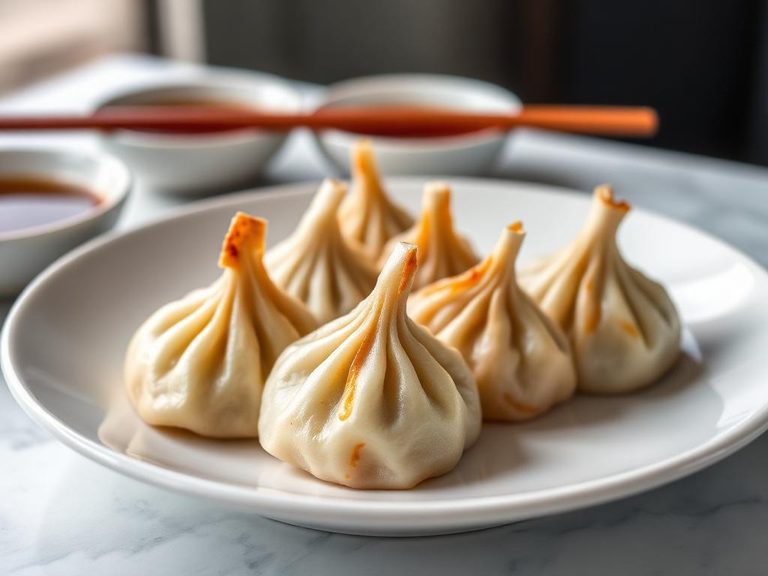
Mandu are Korean dumplings, a beloved comfort food that can be steamed, boiled, pan-fried, or deep-fried. The filling typically features a savory mix of ground pork or beef, tofu, finely chopped vegetables like cabbage, carrots, and green onions, and sometimes glass noodles, all wrapped in a thin wheat dough wrapper. They are a staple in Korean cuisine, enjoyed as a snack, appetizer, or main dish.
🍳 View the full Mandu recipe →
🍽️ Nutrition at a glance
As a fried dish, mandu is relatively high in fat and carbohydrates from the wrapper and cooking oil, while also providing a good amount of protein from the meat and tofu filling. A typical serving of 4-5 fried mandu can range from 300 to 400 calories, offering key nutrients like iron, B vitamins, and some fiber from the vegetables.
Nutrition breakdown
| Calories | 320 kcal |
| Protein | 12 g |
| Carbs | 35 g |
| Fat | 14 g |
| Fiber | 2 g |
| Sugar | 3 g |
| Sodium | 680 mg |
| Iron | 2.5 mg |
| Potassium | 210 mg |
| Vitamin B1 (Thiamin) | 0.3 mg |
| Vitamin B2 (Riboflavin) | 0.2 mg |
| Niacin (B3) | 4.0 mg |
| Vitamin B6 | 0.3 mg |
| Folate | 45 mcg |
| Phosphorus | 150 mg |
Per 5 pieces (150 g) · estimated, varies by recipe
💡 What's interesting
Mandu holds a special place in Korean culture, traditionally prepared and shared during family gatherings and holidays like Lunar New Year, symbolizing prosperity and togetherness. Nutritionally, the inclusion of tofu in the filling is a unique Korean twist that adds plant-based protein and soft texture, balancing the richness of the fried exterior.
AI estimate may be inaccurate · Terms