Low-fat ice cream treat

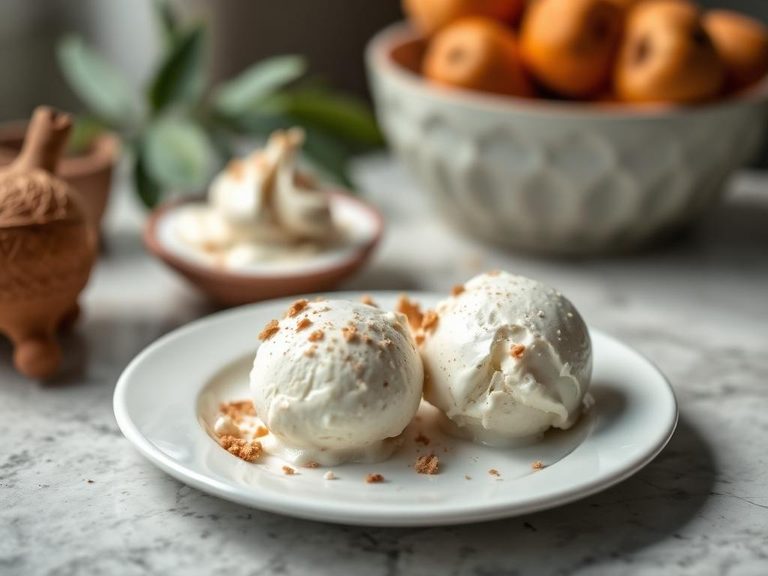
Low-fat ice cream is a lighter version of traditional ice cream, made by reducing milk fat content (typically to 3% or less) and often using stabilizers like guar gum or carrageenan to maintain a creamy texture. It's a popular dessert originating from the United States, widely available in supermarkets and ice cream parlors worldwide.
🍽️ Nutrition at a glance
This treat is generally lower in fat but can be moderate to high in carbohydrates, especially sugars. It provides calcium, some protein, and often added vitamins like Vitamin D, with a typical serving containing around 150-200 calories.
Nutrition breakdown
| Calories | 170 kcal |
| Protein | 4 g |
| Carbs | 28 g |
| Fat | 5 g |
| Fiber | 0 g |
| Sugar | 22 g |
| Sodium | 80 mg |
| Calcium | 120 mg |
| Vitamin D | 1.5 mcg |
| Phosphorus | 100 mg |
| Vitamin A | 60 mcg |
| Potassium | 180 mg |
| Vitamin B12 | 0.4 mcg |
| Riboflavin (B2) | 0.2 mg |
| Selenium | 2 mcg |
Per 1/2 cup (100 g) · estimated, varies by recipe
💡 What's interesting
Nutritionally, it's a classic trade-off: reduced fat often means increased sugar or thickeners to compensate for flavor and texture. Culturally, it reflects the long-standing Western dietary trend towards 'lighter' or 'health-conscious' indulgences.