

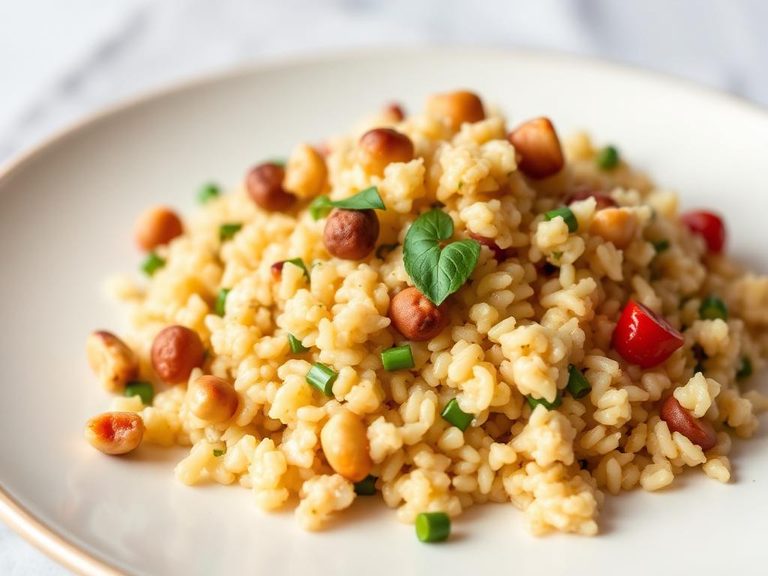
Ginkgo Nut Rice
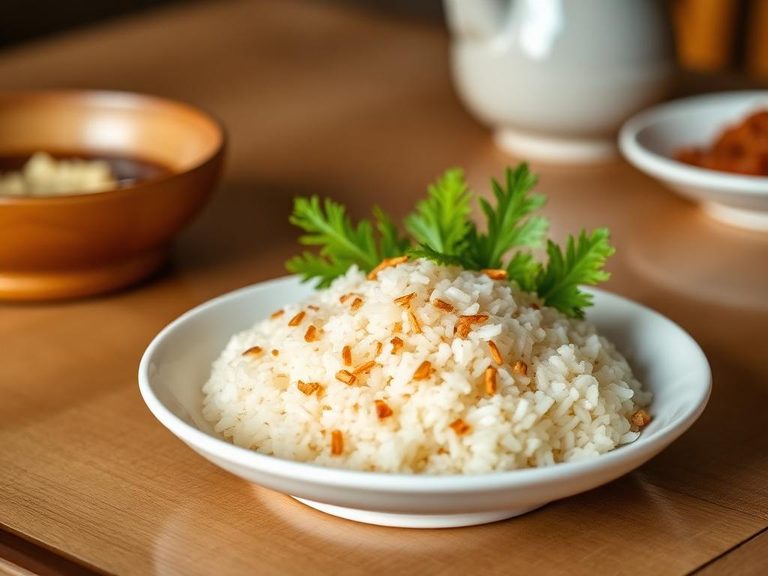
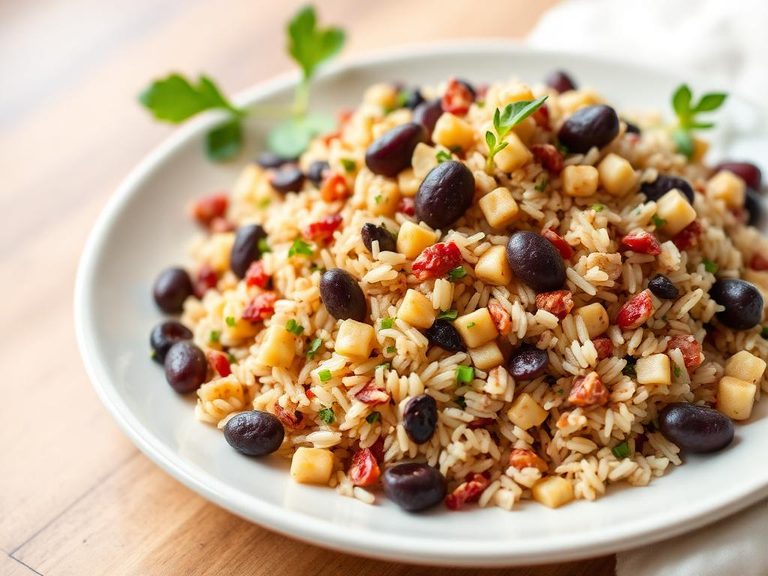
Ginkgo Nut Rice, known as 'Hodo-gwa-bap' in Korean, is a traditional rice dish where ginkgo nuts are steamed with rice, often accompanied by other ingredients like jujubes or chestnuts. It is a classic side dish or light meal in Korean cuisine, valued for its subtle, nutty flavor and aromatic qualities.
🍳 View the full Ginkgo Nut Rice recipe →
🍽️ Nutrition at a glance
This dish is primarily high in carbohydrates from the rice, with moderate fats and low protein from the ginkgo nuts. It provides key nutrients like manganese, vitamin B6, and antioxidants, with a typical serving containing around 200-300 calories.
Nutrition breakdown
| Calories | 310 kcal |
| Protein | 5.5 g |
| Carbs | 62 g |
| Fat | 4.5 g |
| Fiber | 2.5 g |
| Sugar | 4 g |
| Sodium | 420 mg |
| Potassium | 180 mg |
| Iron | 1.8 mg |
| Magnesium | 35 mg |
| Phosphorus | 85 mg |
| Vitamin B1 (Thiamine) | 0.15 mg |
| Vitamin B3 (Niacin) | 2.5 mg |
| Manganese | 0.8 mg |
| Copper | 0.2 mg |
Per 1 cup (200 g) · estimated, varies by recipe
💡 What's interesting
Culturally, ginkgo nuts are considered a symbol of longevity and health in East Asian traditions, and this dish is often served during festive or restorative occasions. Nutritionally, ginkgo nuts are unique for their potential cognitive benefits and are used in traditional medicine to support circulation and memory.
🍽️ Related dishes
AI estimate may be inaccurate · Terms