

Fried fish fillets
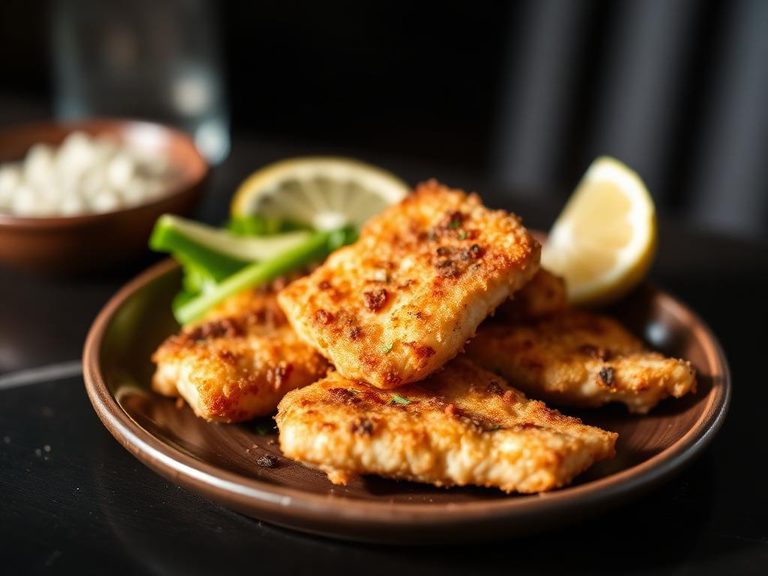
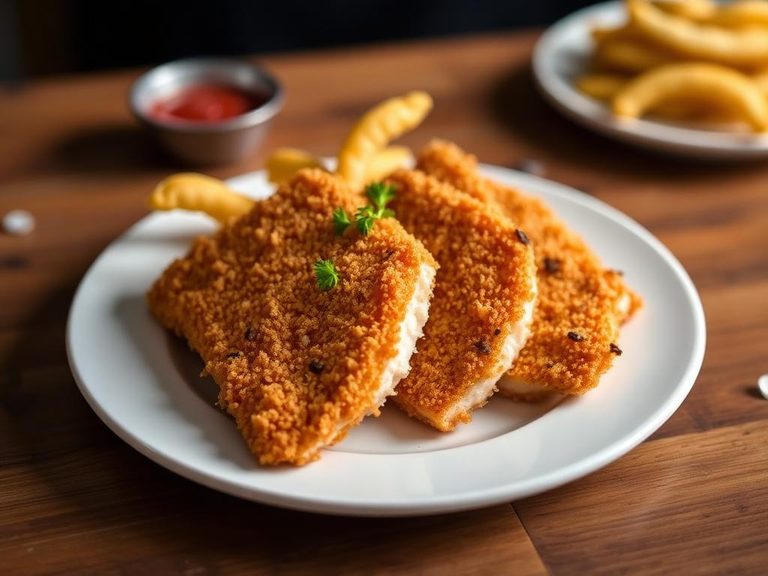
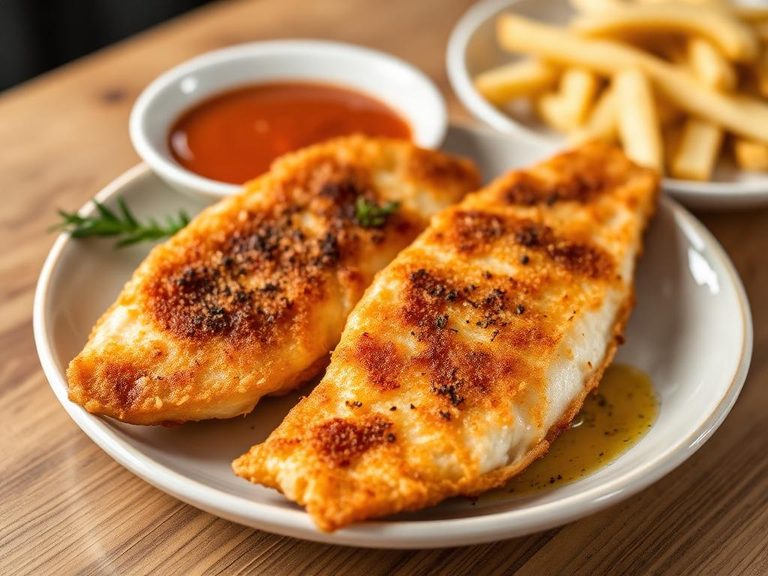
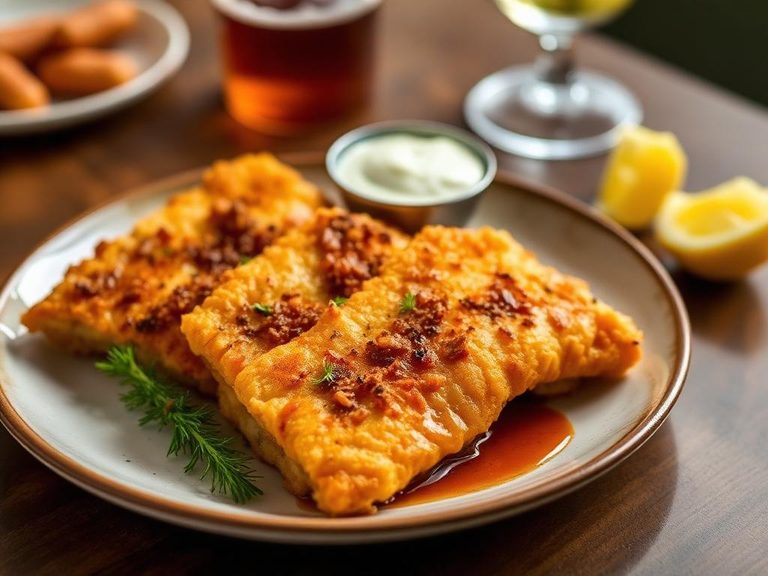
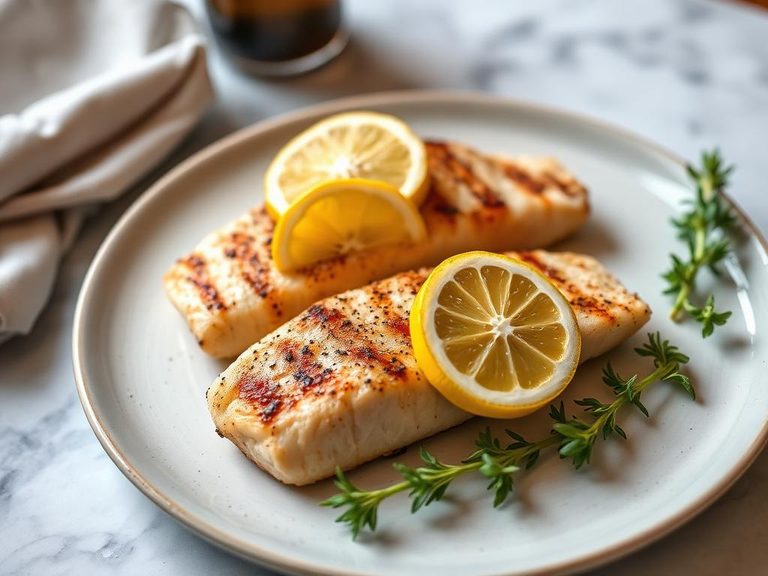
Fried fish fillets are a popular dish made by coating tender pieces of fish in a batter or breading and deep-frying them until golden and crispy. The most common fish used are white, flaky varieties like cod, haddock, or tilapia, and it's a staple in cuisines worldwide, from British fish and chips to American Southern fried catfish.
🍽️ Nutrition at a glance
This dish is high in protein and fat, with the fat content largely depending on the type of oil used and the thickness of the batter. It's a good source of omega-3 fatty acids (if using oily fish) and provides key minerals like selenium and phosphorus, with a typical serving ranging from 400 to 600 calories.
Nutrition breakdown
| Calories | 450 kcal |
| Protein | 28 g |
| Carbs | 25 g |
| Fat | 28 g |
| Fiber | 1 g |
| Sugar | 2 g |
| Sodium | 580 mg |
| Selenium | 40 mcg |
| Phosphorus | 250 mg |
| Vitamin B12 | 2.5 mcg |
| Niacin (B3) | 5 mg |
| Potassium | 420 mg |
| Magnesium | 35 mg |
| Omega-3 (EPA+DHA) | 0.5 g |
| Vitamin D | 1.2 mcg |
Per 1 fillet (170 g) · estimated, varies by recipe
💡 What's interesting
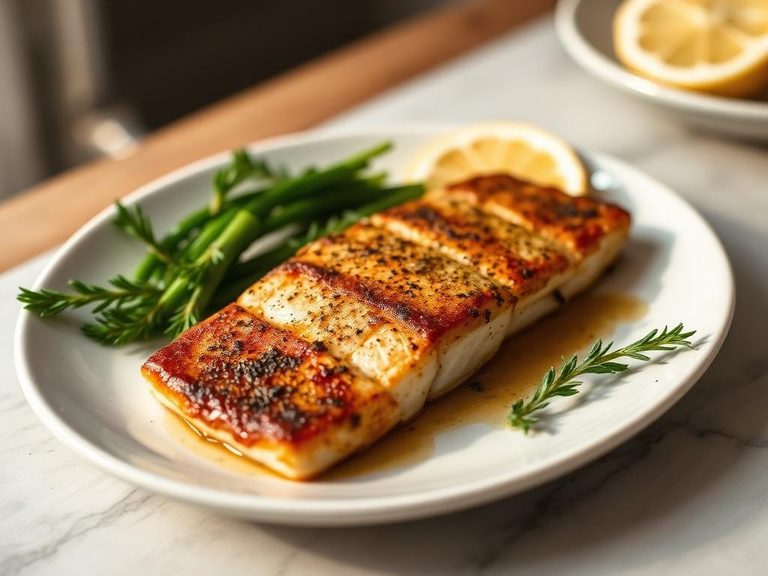
Culturally, fried fish is a global comfort food, with distinct regional variations like Japanese 'tempura' (light batter) or Ghanaian 'kelewele' (spiced). Nutritionally, the cooking method can significantly alter its profile; pan-frying or air-frying can reduce the fat content compared to traditional deep-frying.
🍽️ Related dishes
AI estimate may be inaccurate · Terms