

Curry powder
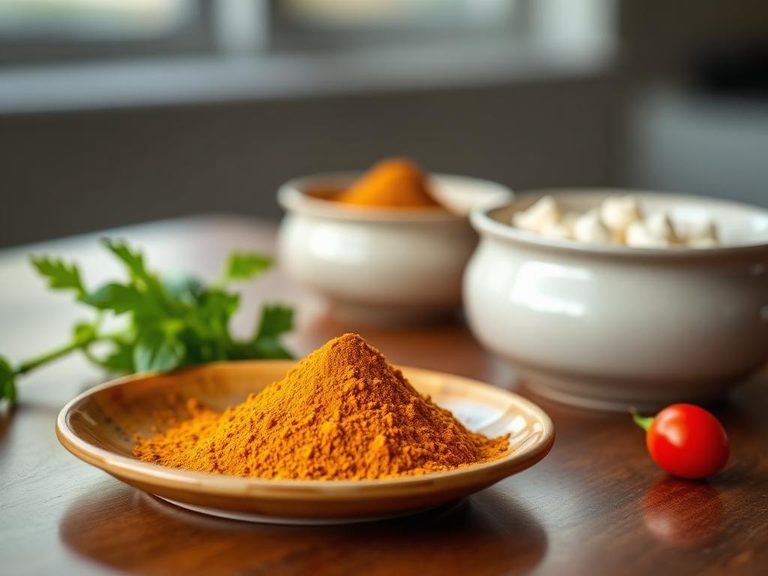
Curry powder is a versatile, pre-mixed spice blend originating from the Indian subcontinent, designed to provide a convenient base for curry dishes. It typically includes a combination of ground spices such as turmeric, coriander, cumin, fenugreek, and chili peppers, with regional variations in the exact mix. While it is a staple in Indian cuisine, its widespread use and many commercial versions were popularized by British colonial influence.
🍽️ Nutrition at a glance
As a spice blend, curry powder is very low in calories, fat, and protein, but is a significant source of dietary fiber and various micronutrients. Its primary nutritional contribution comes from antioxidants and minerals, with a typical serving providing a notable amount of iron and manganese.
Nutrition breakdown
| Calories | 20 kcal |
| Protein | 0.8 g |
| Carbs | 3.6 g |
| Fat | 0.7 g |
| Fiber | 2.1 g |
| Sugar | 0.3 g |
| Sodium | 2 mg |
| Iron | 1.4 mg |
| Manganese | 0.5 mg |
| Magnesium | 18 mg |
| Phosphorus | 17 mg |
| Vitamin B6 | 0.05 mg |
| Copper | 0.04 mg |
| Potassium | 66 mg |
| Calcium | 16 mg |
Per 1 tablespoon (6 g) · estimated, varies by recipe
💡 What's interesting
Nutritionally, curry powder is a powerhouse of bioactive compounds; turmeric contains curcumin, which is studied for its anti-inflammatory properties. Culturally, the 'standard' curry powder known globally is largely a British invention, while in India, cooks typically blend spices fresh for each specific dish.
🍽️ Related dishes





AI estimate may be inaccurate · Terms