

Cooking and sautéing
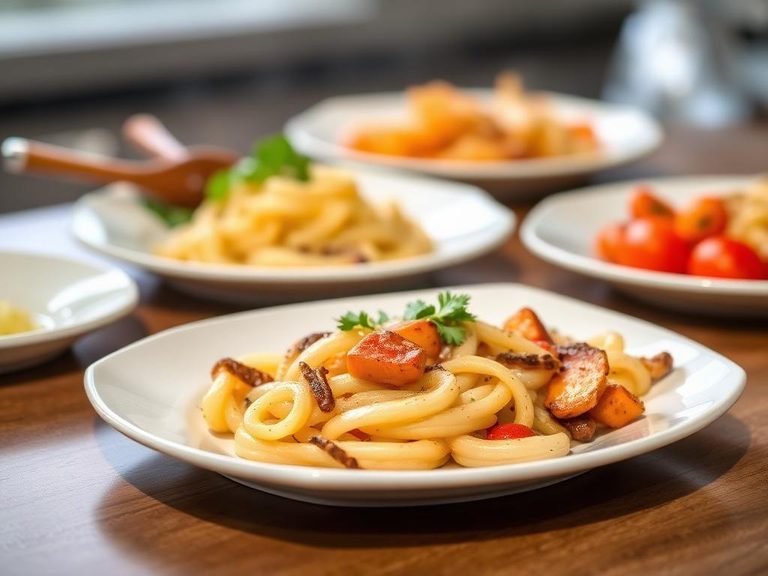
Sautéing is a quick, high-heat cooking technique where ingredients are cooked in a small amount of fat in a shallow pan, resulting in tender-crisp textures and concentrated flavors. It is a foundational method in French cuisine, central to the 'mise en place' philosophy of having everything prepared before cooking begins. The term comes from the French word 'sauter,' meaning 'to jump,' referring to the way ingredients are tossed in the pan.
🍽️ Nutrition at a glance
The nutritional profile of a sautéed dish is highly variable, depending entirely on the main ingredients and the type/amount of fat used. It can range from a low-calorie, vitamin-rich vegetable side to a higher-fat, protein-rich main course, with calories typically falling between 150-400 kcal per serving.
Nutrition breakdown
| Calories | 180 kcal |
| Protein | 3 g |
| Carbs | 12 g |
| Fat | 14 g |
| Fiber | 4 g |
| Sugar | 6 g |
| Sodium | 250 mg |
| Vitamin C | 95 mg |
| Vitamin A | 650 IU |
| Vitamin K | 25 mcg |
| Folate | 60 mcg |
| Potassium | 380 mg |
| Manganese | 0.4 mg |
| Vitamin B6 | 0.3 mg |
| Vitamin E | 2 mg |
Per 1 cup (180 g) of mixed sautéed vegetables (e.g., bell peppers, onions, zucchini) · estimated, varies by recipe
💡 What's interesting
Culturally, sautéing is prized for its speed and ability to preserve the fresh color, texture, and nutrients of vegetables compared to longer cooking methods. Nutritionally, it allows for precise control over fat content, making it a versatile technique for both healthy and indulgent preparations.
🍽️ Related dishes
AI estimate may be inaccurate · Terms