

Tejeringos
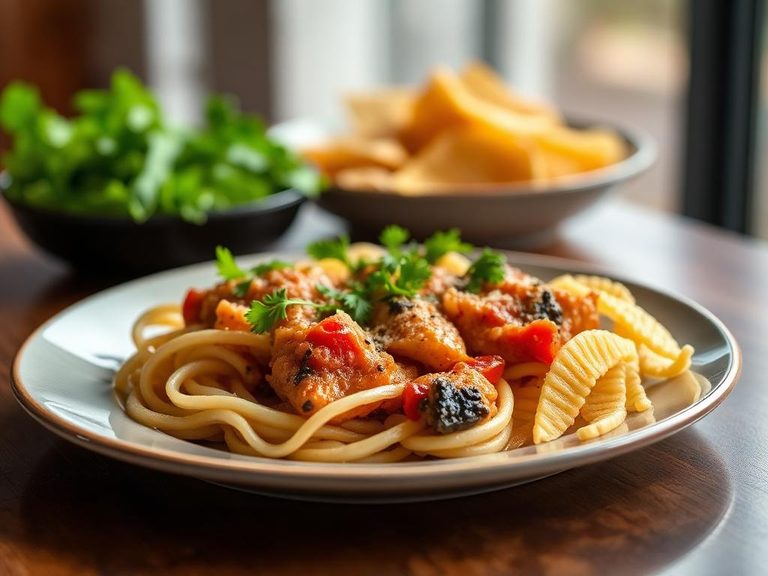
Tejeringos are a traditional fried dough pastry from the Andalusia region of Spain, particularly associated with Carnival celebrations. They are made from a simple dough of flour, eggs, and a touch of anise, which is then shaped into small, irregular knots or loops and deep-fried until golden and crispy.
🍽️ Nutrition at a glance
As a fried pastry, Tejeringos are high in carbohydrates and fats, providing quick energy but little protein. A typical serving of about three pieces contains roughly 200-250 calories, with key nutrients coming from the wheat flour and the frying oil.
Nutrition breakdown
| Calories | 320 kcal |
| Protein | 4.5 g |
| Carbs | 42 g |
| Fat | 15 g |
| Fiber | 1.5 g |
| Sugar | 18 g |
| Sodium | 180 mg |
| Iron | 1.5 mg |
| Calcium | 40 mg |
| Potassium | 85 mg |
| Vitamin B1 (Thiamine) | 0.1 mg |
| Vitamin B2 (Riboflavin) | 0.05 mg |
| Phosphorus | 60 mg |
| Magnesium | 15 mg |
| Selenium | 5 µg |
Per 3 pieces (approx. 90 g) · estimated, varies by recipe
💡 What's interesting
Culturally, Tejeringos are a festive treat deeply linked to Spanish Carnival traditions, symbolizing indulgence before the Lenten fast. Their unique, knotted shape is said to resemble the tangled ropes used in rural life, adding a rustic, handmade charm to the dessert.
AI estimate may be inaccurate · Terms