

Pediatric Diet Planning
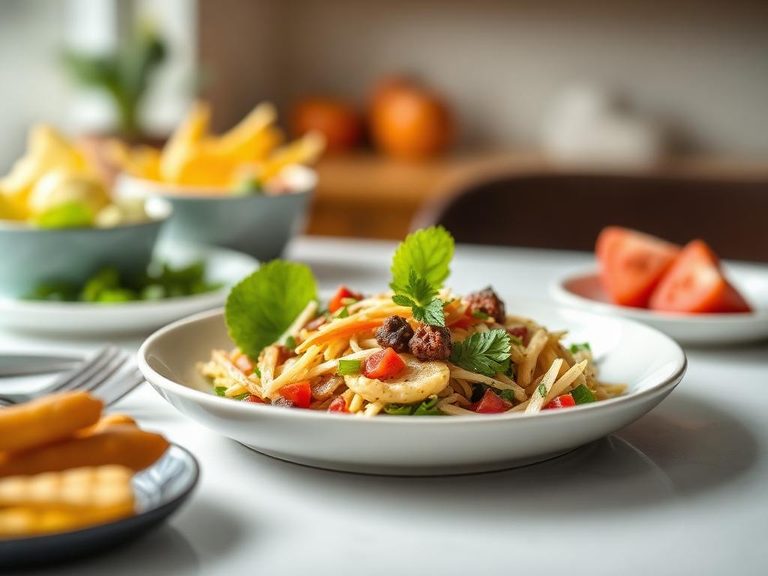
Pediatric Diet Planning is not a single dish, but a structured approach to meal planning for children. It involves creating balanced, age-appropriate meals using a variety of whole foods like lean proteins, whole grains, fruits, vegetables, and healthy fats. The concept is a global nutritional strategy, not tied to a specific cuisine, aimed at supporting growth and development.
🍽️ Nutrition at a glance
A well-planned pediatric diet is balanced in macronutrients, emphasizing adequate protein for growth, complex carbohydrates for energy, and healthy fats for brain development. It is typically rich in key micronutrients like calcium, iron, and vitamins A and C, with a calorie range that varies widely based on the child's age, size, and activity level.
Nutrition breakdown
| Calories | 350 kcal |
| Protein | 15 g |
| Carbs | 45 g |
| Fat | 12 g |
| Fiber | 6 g |
| Sugar | 10 g |
| Sodium | 400 mg |
| Calcium | 200 mg |
| Iron | 3 mg |
| Vitamin A | 300 mcg |
| Vitamin C | 25 mg |
| Potassium | 450 mg |
| Vitamin D | 2 mcg |
| Zinc | 2 mg |
| Folate | 80 mcg |
Per 1 typical balanced meal (approx. 300-400 g) · estimated, varies by recipe
💡 What's interesting
What makes pediatric diet planning unique is its dynamic nature, as nutritional needs change dramatically from infancy through adolescence. It often focuses on creating positive food associations and establishing lifelong healthy eating habits, rather than just meeting immediate nutritional targets.
🍽️ Related dishes
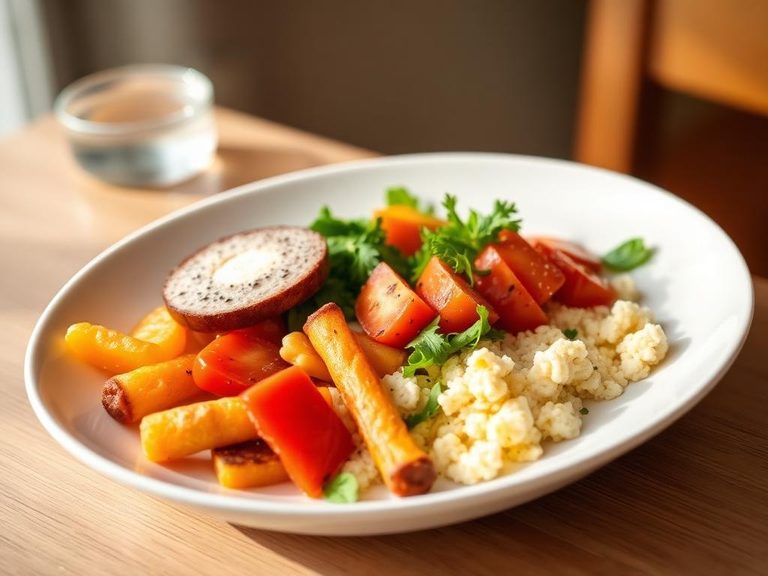 Used in pediatric medical diets
 Pediatric dietary management
 Used in pediatric medical feeding plans
 Used in pediatric medical nutrition shakes
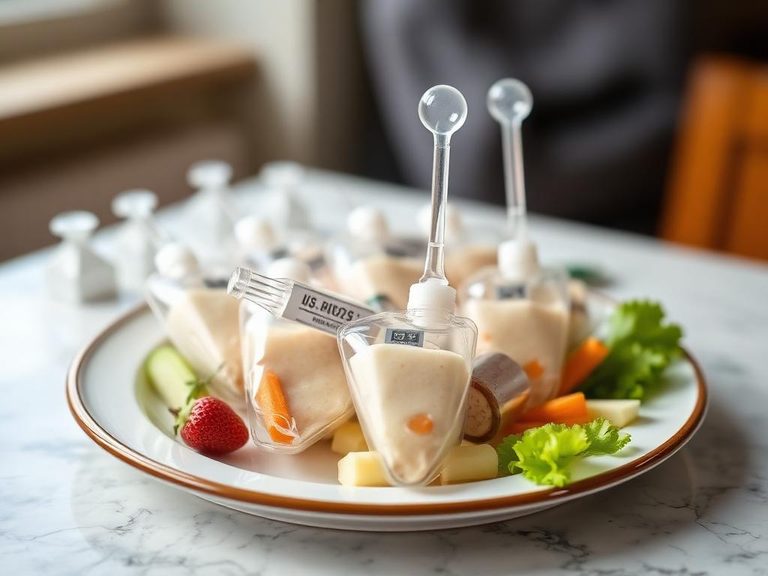 Used in pediatric medical feeding tubes
 Used in pediatric medical nutrition drinks
 Component in specialized pediatric medical shakes
 As a base for pediatric medical nutrition
AI estimate may be inaccurate · Terms