

Chinchulines
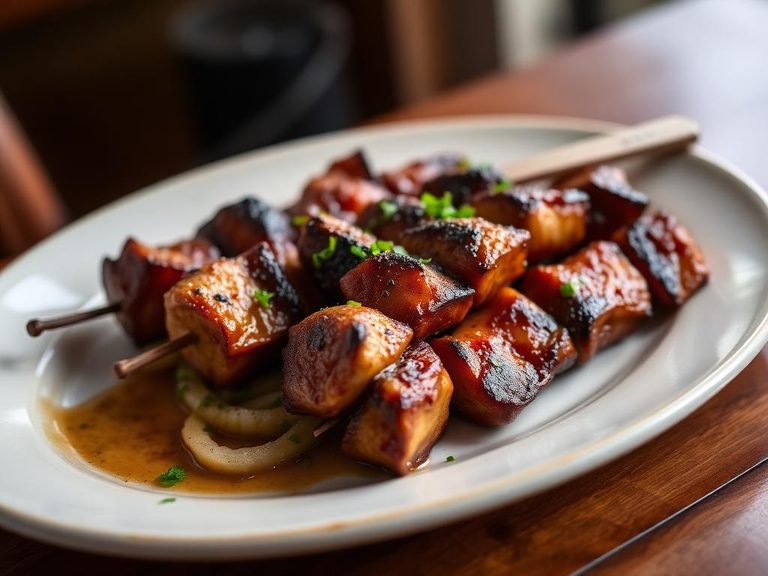
Chinchulines are a beloved Argentine delicacy consisting of beef small intestines, meticulously cleaned and grilled over an open flame, typically as part of an asado (barbecue). They are characterized by their unique, slightly chewy texture and are often seasoned simply with coarse salt. This dish is a staple in Argentine parrillas (grill houses) and represents a traditional 'nose-to-tail' approach to meat consumption.
🍽️ Nutrition at a glance
Chinchulines are a high-protein, high-fat food with virtually no carbohydrates. They are a significant source of essential minerals like iron, zinc, and B vitamins, particularly B12. A typical serving provides a substantial calorie load, primarily from fat and protein, with a ballpark estimate of 250-350 calories.
Nutrition breakdown
| Calories | 290 kcal |
| Protein | 12 g |
| Carbs | 0 g |
| Fat | 27 g |
| Fiber | 0 g |
| Sugar | 0 g |
| Sodium | 400 mg |
| Vitamin B12 | 2.5 µg |
| Iron | 3.5 mg |
| Zinc | 4.0 mg |
| Selenium | 18 µg |
| Phosphorus | 180 mg |
| Niacin (B3) | 4.5 mg |
| Vitamin B6 | 0.3 mg |
| Cholesterol | 150 mg |
Per 1 serving (approx. 100 g) · estimated, varies by recipe
💡 What's interesting
Culturally, chinchulines are a quintessential part of the Argentine asado ritual, symbolizing communal eating and the skill of the 'asador' (grill master). Nutritionally, they are a potent source of heme iron, which is highly bioavailable, making them an effective food for combating iron deficiency.
AI estimate may be inaccurate · Terms