Beef Tallow
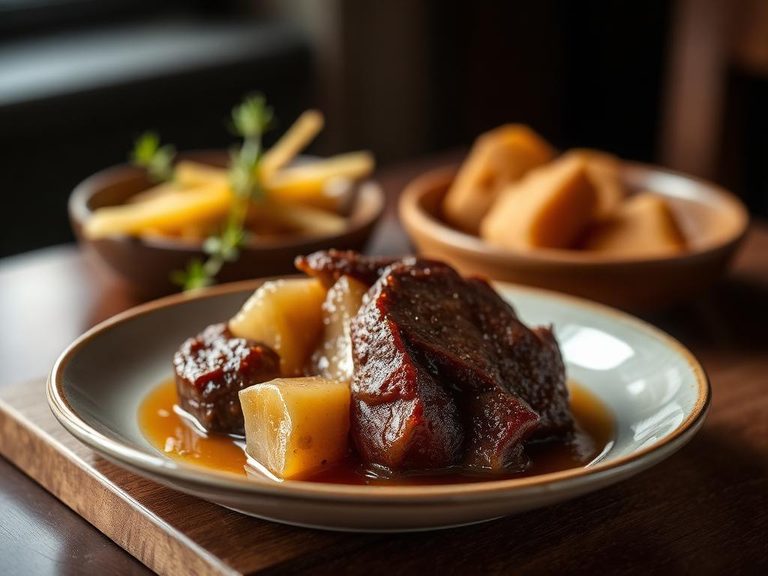
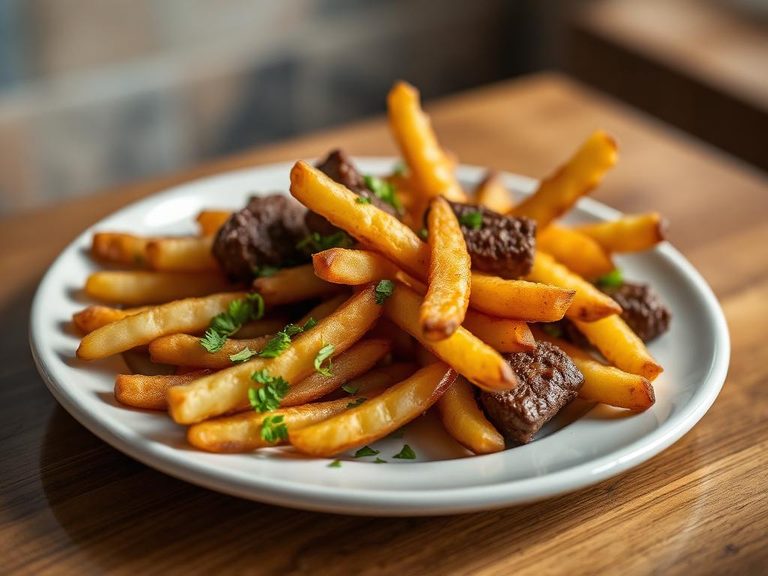
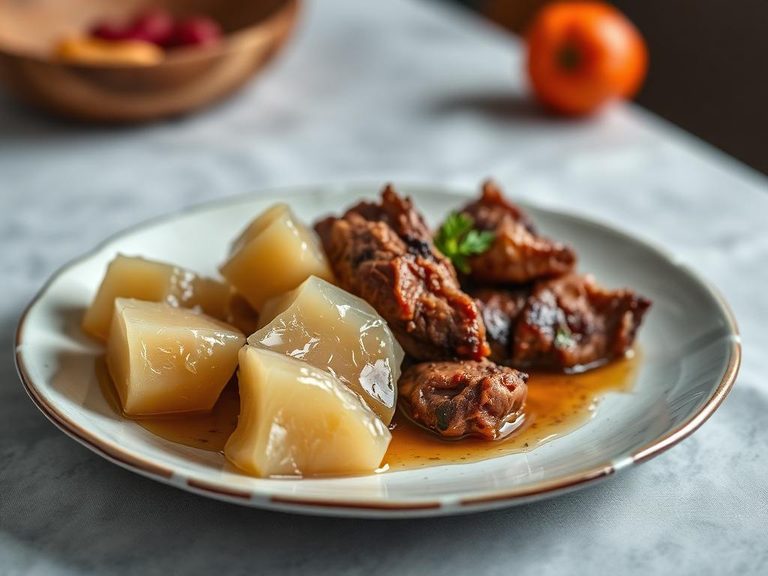
Beef tallow is rendered fat from beef, typically from the harder fat around the kidneys or other internal organs. It is a traditional cooking fat used globally, especially in Western and Asian cuisines, for frying, sautéing, and making pastries. Its high smoke point and rich flavor make it a staple in many traditional recipes.
🍽️ Nutrition at a glance
Beef tallow is almost entirely fat, providing a high-calorie energy source with no carbohydrates or protein. It is rich in saturated and monounsaturated fats, and contains small amounts of vitamins like vitamin D and E, as well as minerals such as selenium.
Nutrition breakdown
| Calories | 120 kcal |
| Protein | 0 g |
| Carbs | 0 g |
| Fat | 14 g |
| Fiber | 0 g |
| Sugar | 0 g |
| Sodium | 0 mg |
| Vitamin E | 0.2 mg |
| Vitamin D | 0.1 mcg |
| Selenium | 0.5 mcg |
| Choline | 2 mg |
| Saturated Fat | 5.7 g |
| Monounsaturated Fat | 6.4 g |
| Polyunsaturated Fat | 0.5 g |
| Cholesterol | 13 mg |
Per 1 tablespoon (14 g) · estimated, varies by recipe
💡 What's interesting
Culturally, beef tallow has been a cornerstone of cooking for centuries, from traditional British frying to Chinese hot pot bases. Nutritionally, it is unique for its stability at high heat and its role in providing dense energy, though it is typically used in moderation due to its high saturated fat content.