

Qilalugaq
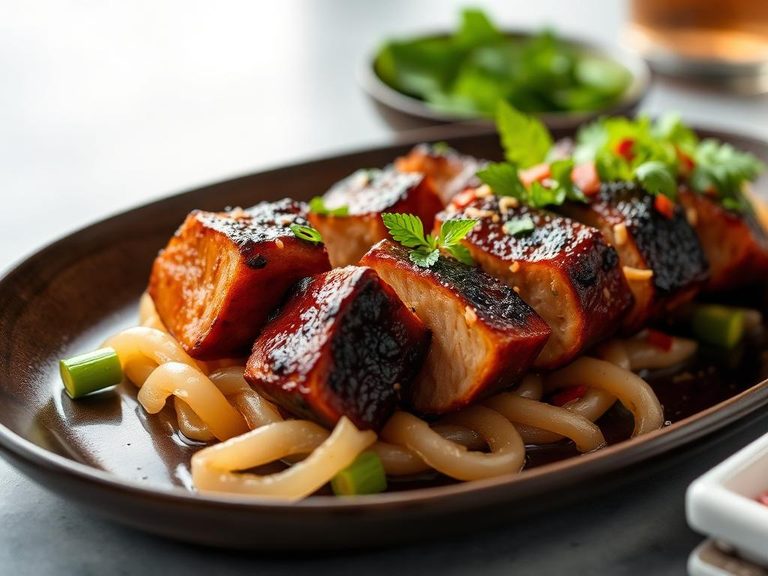
Qilalugaq is a traditional Inuit dish made from the fermented or dried internal organs and skin of the ringed seal, often mixed with blubber. It is a staple food in the Arctic regions of Greenland, Canada, and Alaska, valued for its high energy content and long-term preservation. The preparation involves fermenting the seal parts in a skin bag or pit, which develops a strong, pungent flavor.
🍽️ Nutrition at a glance
Qilalugaq is extremely high in fat and protein, providing a dense source of calories essential for survival in cold climates. It is rich in omega-3 fatty acids, vitamin D, and iron, with a single serving potentially offering over 500 kcal.
Nutrition breakdown
| Calories | 550 kcal |
| Protein | 25 g |
| Carbs | 0 g |
| Fat | 48 g |
| Fiber | 0 g |
| Sugar | 0 g |
| Sodium | 400 mg |
| Vitamin D | 15 µg |
| Iron | 4 mg |
| Omega-3 (EPA+DHA) | 2.5 g |
| Vitamin B12 | 12 µg |
| Selenium | 35 µg |
| Zinc | 5 mg |
| Vitamin A | 300 µg |
| Phosphorus | 250 mg |
Per 100 g · estimated, varies by recipe
💡 What's interesting
This dish is culturally significant as a traditional method of preserving food during long Arctic winters, and its fermentation process is a unique culinary practice that enhances its nutritional bioavailability. It is also a key source of vitamin C when consumed with certain berries, preventing scurvy.
AI estimate may be inaccurate · Terms