

Pigigaaq
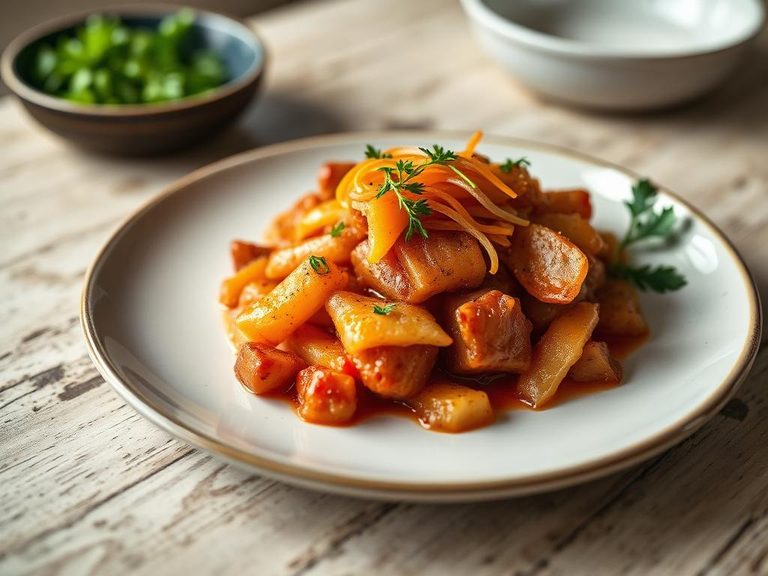
Pigigaaq is a traditional Greenlandic dish made from the stomach and intestines of marine mammals, often seal or whale, which are cleaned, fermented, and then air-dried. It is a staple food in Inuit communities, particularly during the winter months, and is typically served sliced or diced, sometimes with a side of fat or blubber. The dish is deeply rooted in the subsistence hunting culture of the Arctic regions.
🍽️ Nutrition at a glance
Pigigaaq is a high-protein, high-fat food with minimal carbohydrates, providing essential energy and nutrients in a harsh climate. A typical serving offers a significant amount of omega-3 fatty acids, vitamin D, and iron, with a calorie ballpark of around 300-400 kcal per 100 grams due to its dense nutritional profile.
Nutrition breakdown
| Calories | 350 kcal |
| Protein | 25 g |
| Carbs | 0 g |
| Fat | 28 g |
| Fiber | 0 g |
| Sugar | 0 g |
| Sodium | 450 mg |
| Vitamin D | 15 µg |
| Iron | 4 mg |
| Vitamin B12 | 12 µg |
| Omega-3 (EPA+DHA) | 1.5 g |
| Selenium | 30 µg |
| Zinc | 3 mg |
| Phosphorus | 200 mg |
| Niacin (B3) | 5 mg |
Per 100 grams · estimated, varies by recipe
💡 What's interesting
Culturally, Pigigaaq represents a centuries-old method of food preservation that allows communities to store nutrients for long, dark winters. Nutritionally, its fermentation process enhances the bioavailability of certain nutrients and introduces beneficial probiotics, making it a unique example of traditional functional food.
AI estimate may be inaccurate · Terms