Granola Bar (as an ingredient)
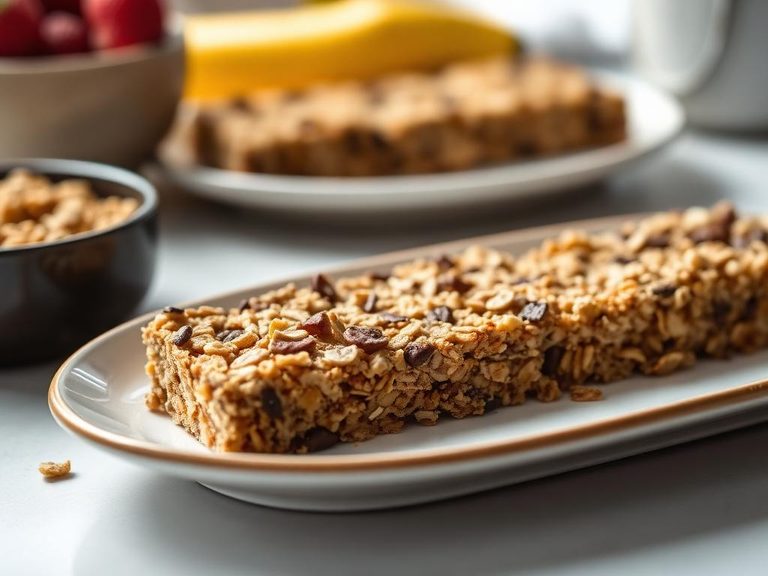
AI-generated illustration
A granola bar, when used as an ingredient, typically refers to a commercially prepared, chewy or crunchy bar made from rolled oats, nuts, seeds, and a sweet binder like honey or syrup, often with added dried fruit or chocolate. It originated in the United States in the late 19th century as a convenient, portable health food. When crumbled or chopped, it serves as a ready-made topping or mix-in for other dishes.
🍽️ Nutrition at a glance
Granola bars are generally high in carbohydrates for quick energy, with a moderate amount of fat from nuts and oils, and can vary in protein content depending on the recipe. A standard bar (around 40-50g) typically provides 150-200 calories, along with some dietary fiber and micronutrients like iron and B vitamins from the fortified grains.
💡 What's interesting
Culturally, the granola bar evolved from the 'health food' movement into a ubiquitous symbol of modern convenience snacking. Nutritionally, its unique role as an ingredient lies in its ability to instantly add a complex texture—crunchy, chewy, and sweet—along with a dose of whole grains to recipes like yogurt parfaits, ice cream toppings, or baked goods.